Scornavacco Martial Arts Academy — Longmont, CO
Every fall and spring, parents sort through a familiar lineup of after-school options: soccer, baseball, basketball, gymnastics, swim team. Martial arts often ends up on that list by default — another activity to try, another thing to put on the schedule.
That framing — martial arts as just another activity — is understandable. It’s also a mistake. And the distinction matters, because how you approach martial arts training largely determines what your child gets out of it.
Activities vs. Achievement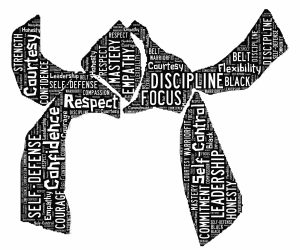
Most extracurricular activities are structured around participation and seasonal performance: games, recitals, competitions. They are inherently social and often fun. They have real value. But at their core, they are activities — things you do.
Martial arts, at its foundation, is not an activity. It is not a game with a winner and a loser. It is a system of self-development — built around achievement, character transformation, and the progressive mastery of your own body, mind, and reactions. Even the most casual martial arts student eventually recognizes that something different is happening in class than what happens at soccer practice.
The Skill That Makes All Other Skills Possible
When I played high school baseball alongside my martial arts training, my coach would shout at us to focus. I remember thinking: yes, but how? No one had ever taught me the mechanics of focus — how to narrow attention to a single point, or how to open awareness to an entire field at once, or how to move between the two as the situation required.
My martial arts teacher taught me that. And it made me a better baseball player, a better student, and eventually a better instructor and business owner. Those lessons have never stopped paying dividends.
This is what makes martial arts categorically different: it teaches what researchers call meta-skills — the skills you need to learn any other skill. Focus. Body awareness. Emotional regulation. Persistence. Coordination. Once a child has these, learning a new sport, a new instrument, or a new subject in school becomes dramatically easier — because they have the underlying tools.
Why Top Athletes Cross-Train in Martial Arts
It’s not a coincidence that elite athletes in virtually every sport — football, basketball, tennis, golf — incorporate martial arts training into their development. They’re not doing it to learn to fight. They’re doing it for the mind-body benefits: improved body control, sharper reflexes, better focus under pressure, and the mental discipline to perform when it counts.
Those benefits don’t require elite athletic talent. They are available to every child who trains seriously in a quality program.
An Investment, Not an Activity
Martial arts training is not something you do for a season and set aside. It is an investment in your child — in who they are becoming, in the skills they will carry forward into every area of their life. That is a fundamentally different category than recreational sports, and it deserves to be evaluated differently.
Give your child more than something to do. Give them something to become.
Also worth reading: It’s Spring Signup Season. Is Your Child Being Set Up to Quit?
Meet the instructor before you enroll.
Scornavacco Martial Arts Academy — Longmont, CO
Give Your Child Something to Become
Schedule an Evening with the Master — a private introductory session designed around your child’s unique needs. No pressure, no obligation.
Scornavacco Martial Arts Academy · 1830 Boston Ave, Suite F, Longmont, CO · (303) 485-5425